Two Ways to Travel the Same Myth
- May 11
- 2 min read
Updated: May 29
In 2026, the Orient Express story continues in two different forms. One follows the historic railway line across Europe. The other moves onto the Mediterranean for the first time.

The Venice Simplon-Orient-Express departs from Istanbul on 1 June and 2 October, travelling west towards Paris over five nights. The route passes through Bucharest, Sinaia and Budapest before arriving in the French capital.

The line still carries the memory of February 1929, when a train bound for Istanbul became trapped in snow for days near the city. Agatha Christie was not on board during the incident, but she knew the route well from her journeys east. The atmosphere of isolation and suspended time would later become inseparable from Murder on the Orient Express.
Today, that world survives through Belmond’s restored carriages. Deep blue and gold exteriors, lacquered wood panels, white tablecloth dining cars and Art Deco detailing preserve the visual language of interwar travel almost intact.
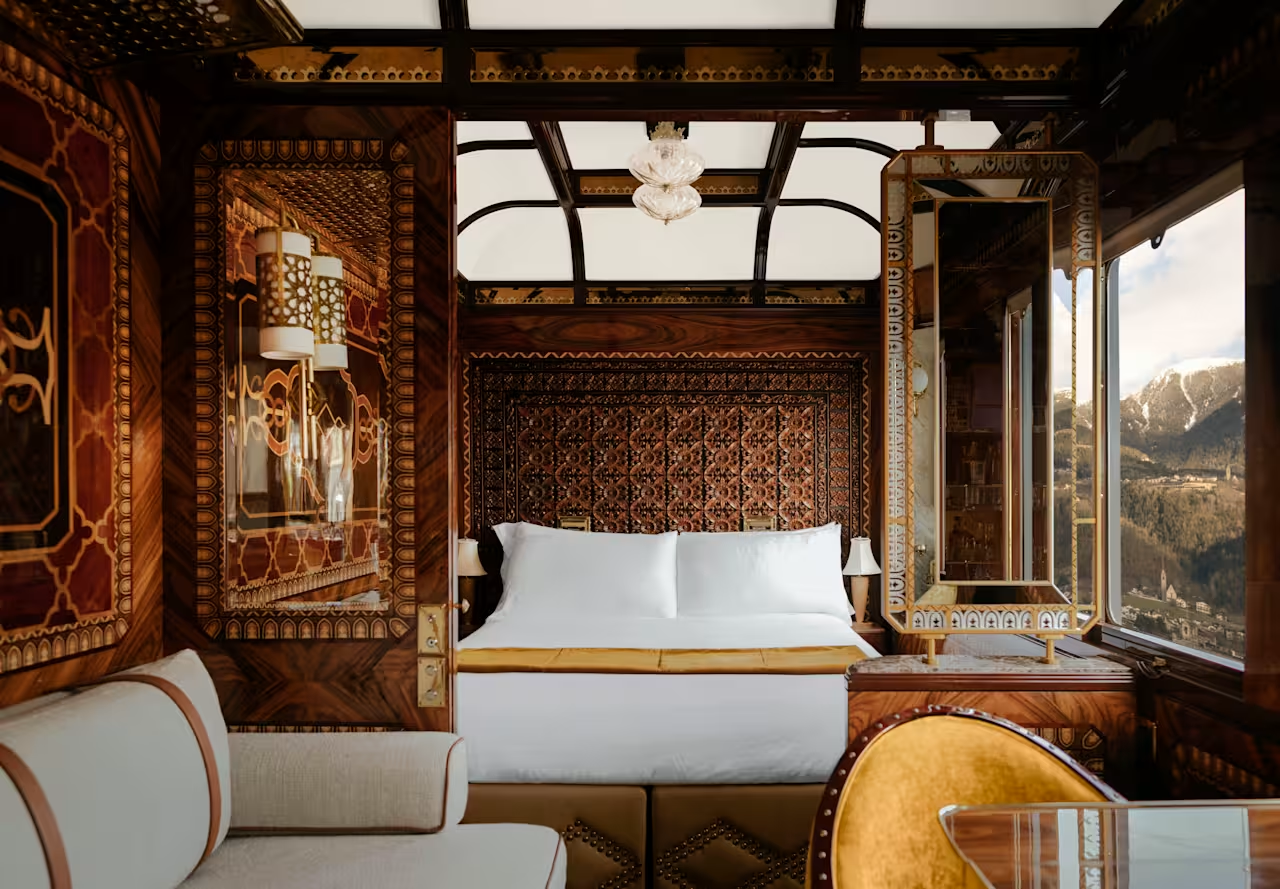
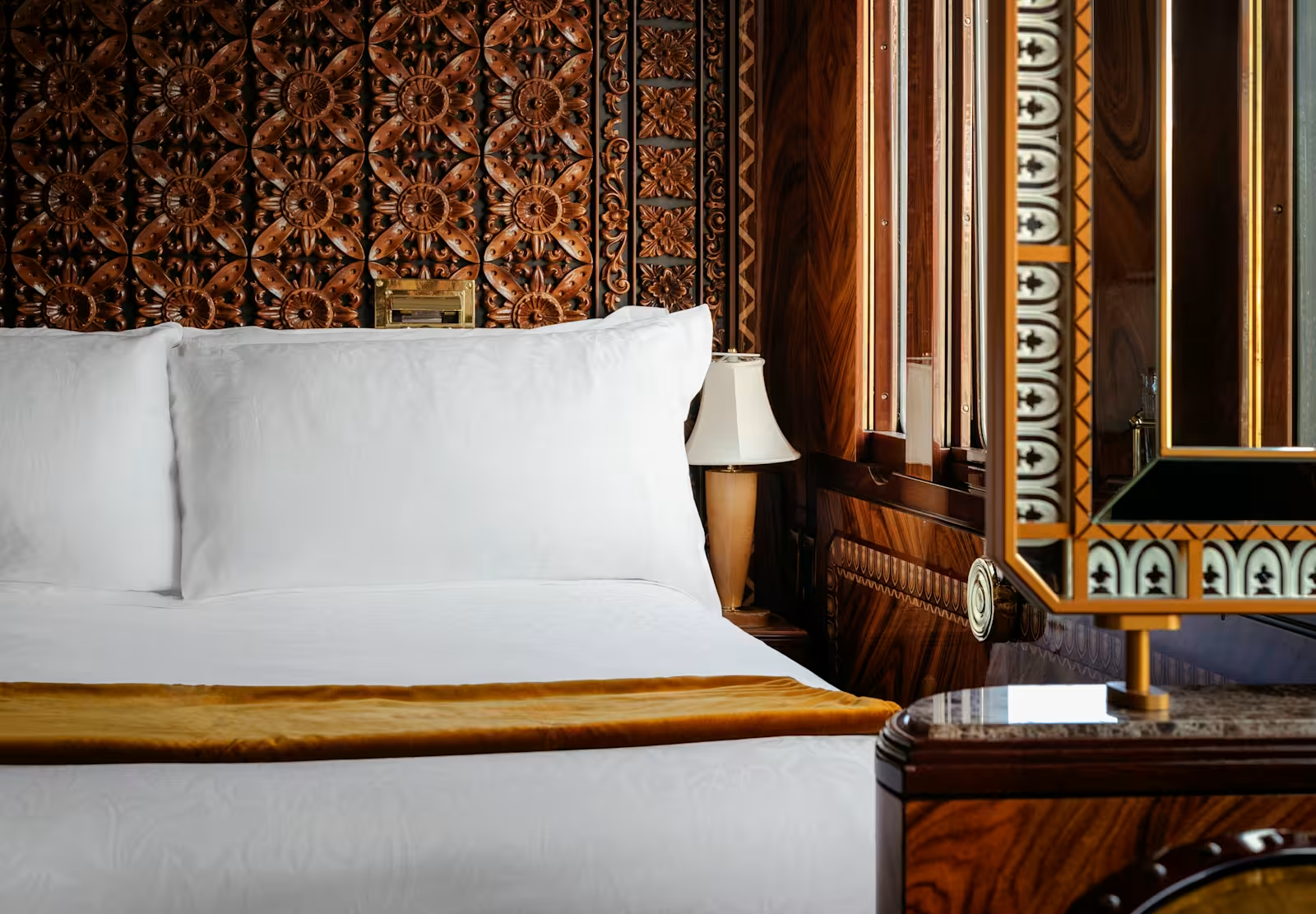
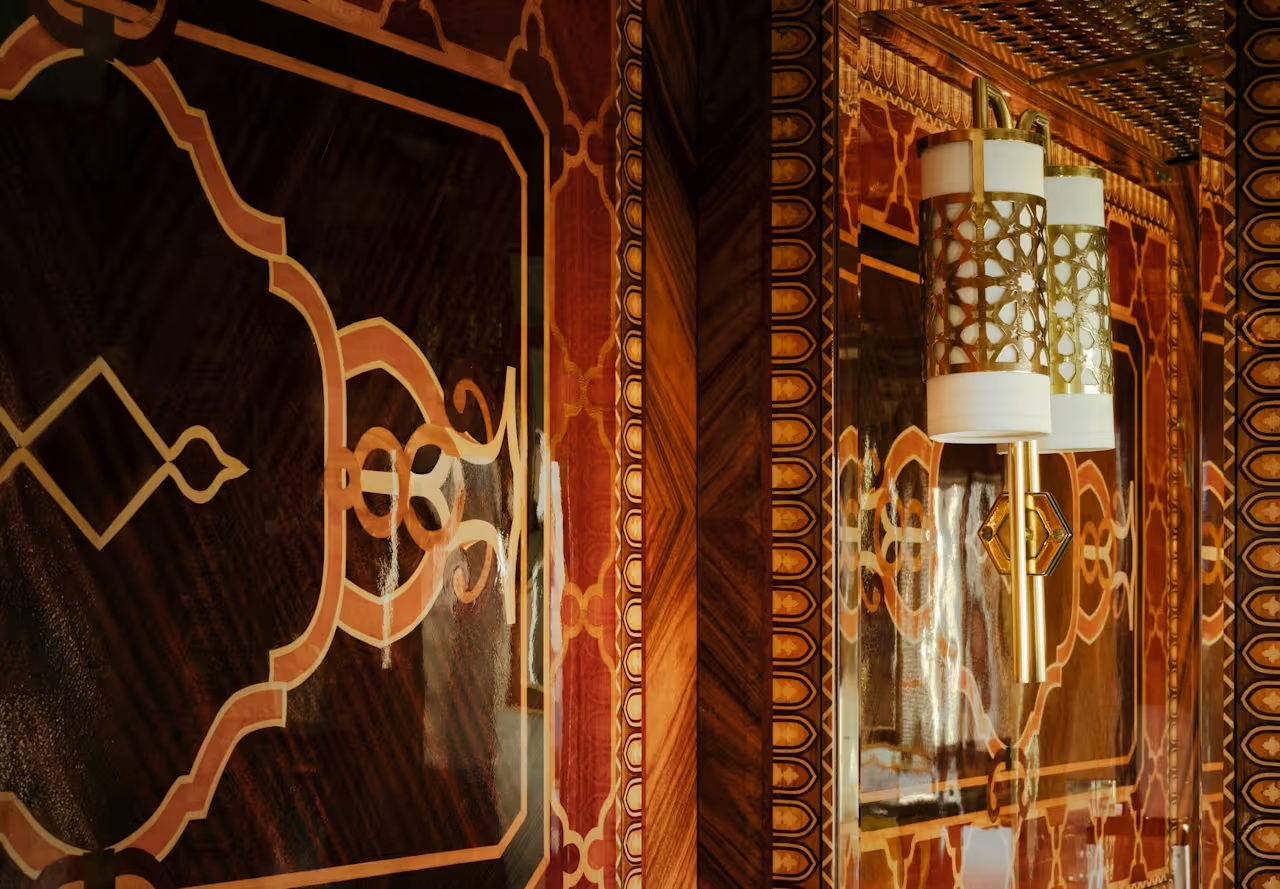
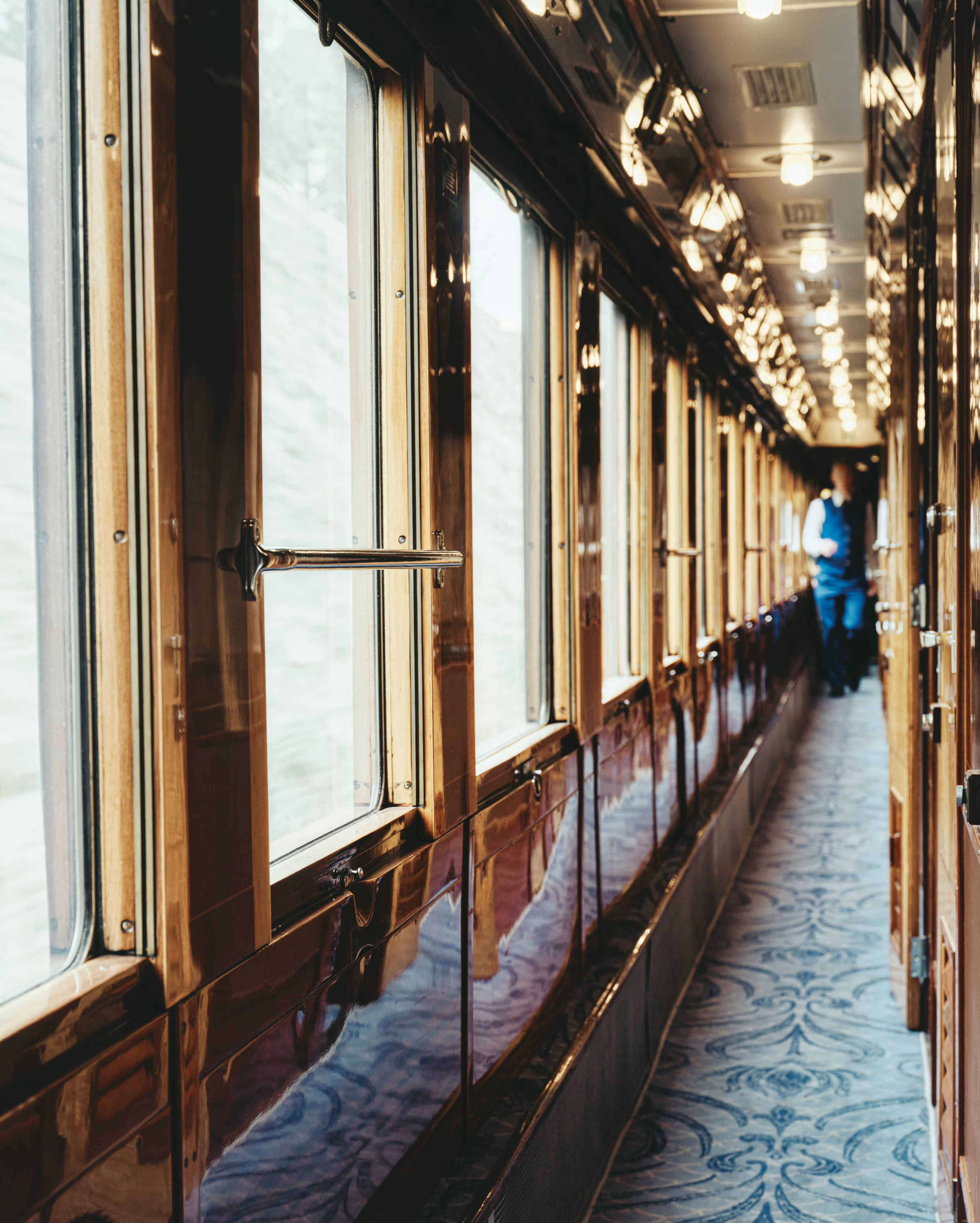


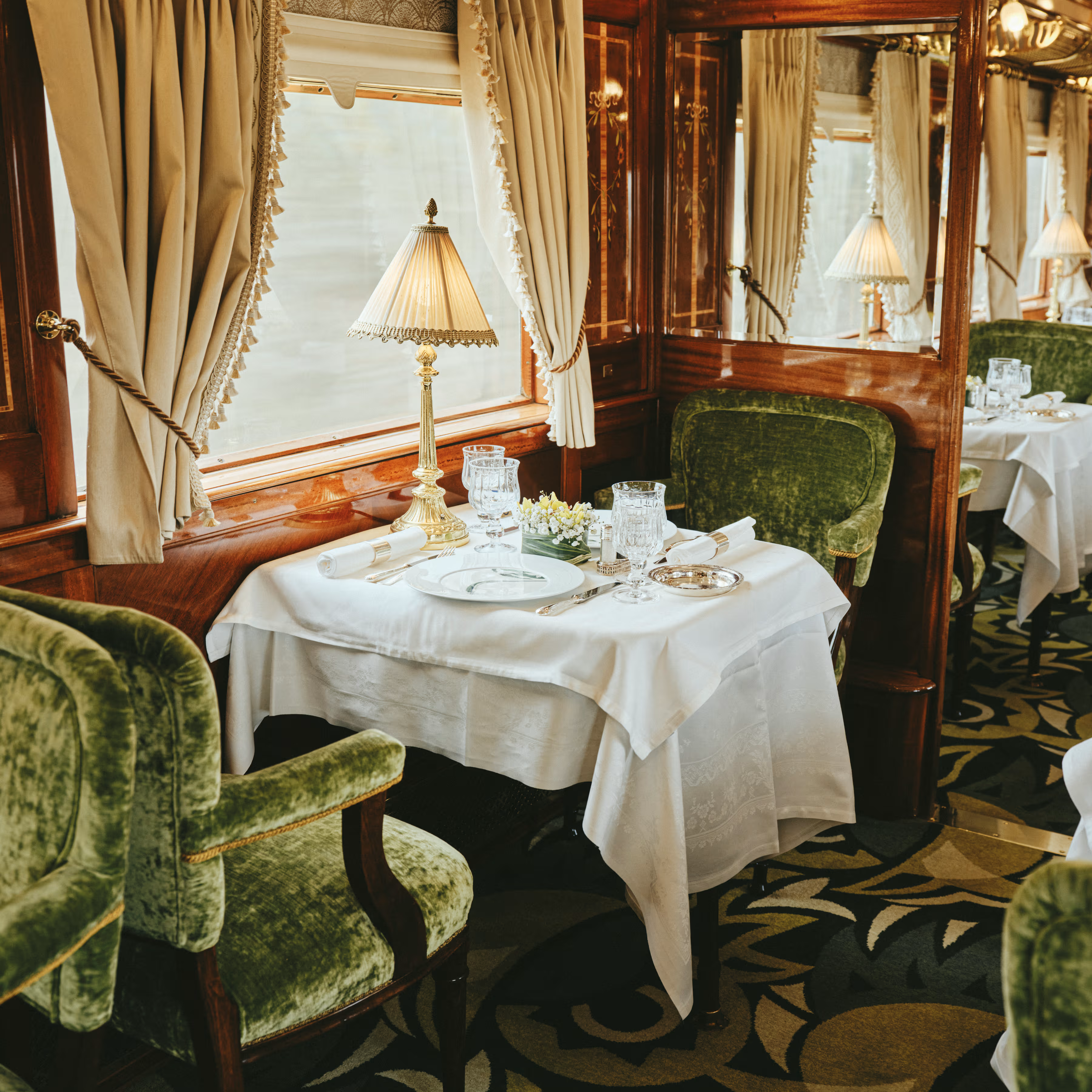
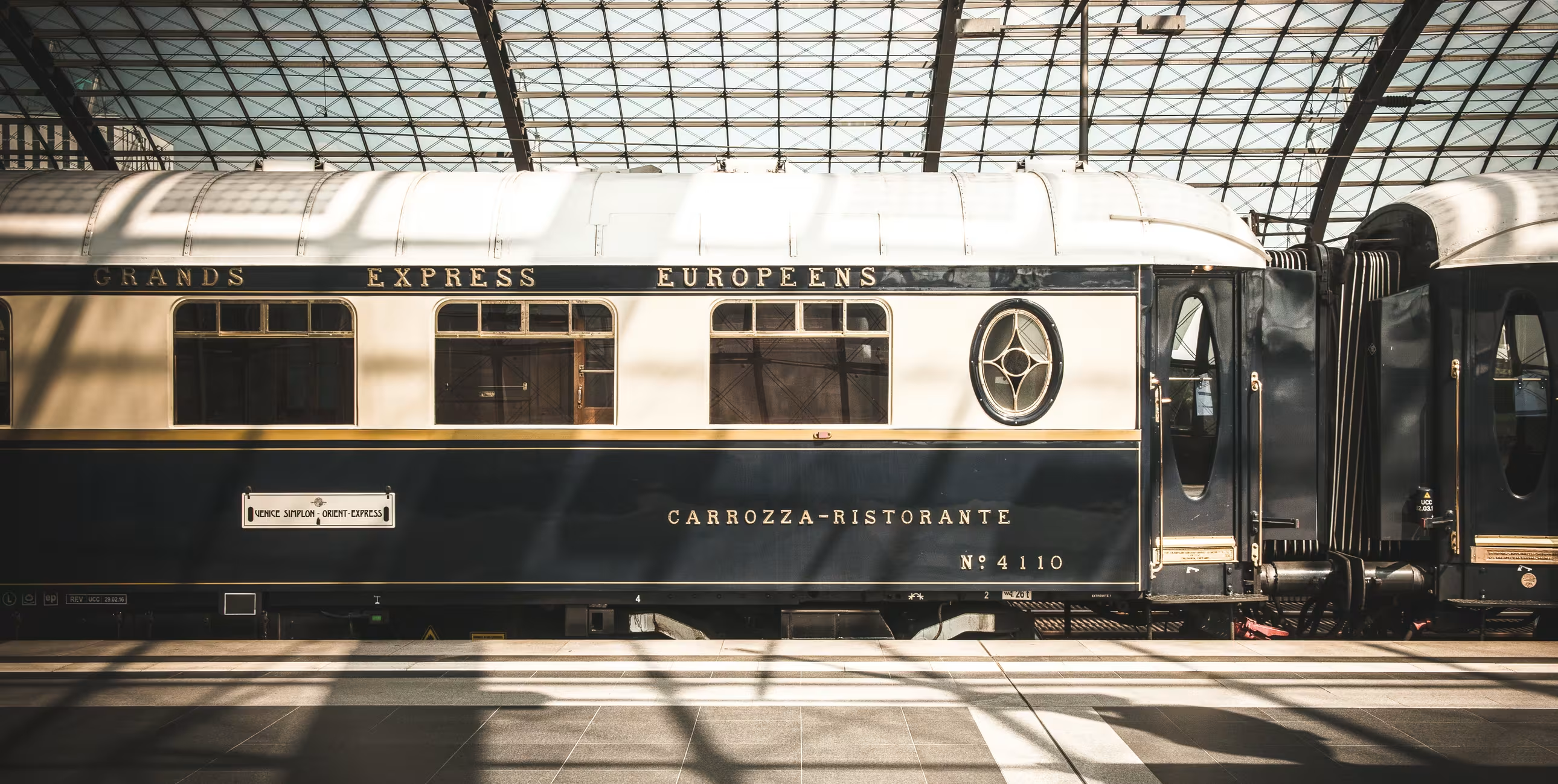
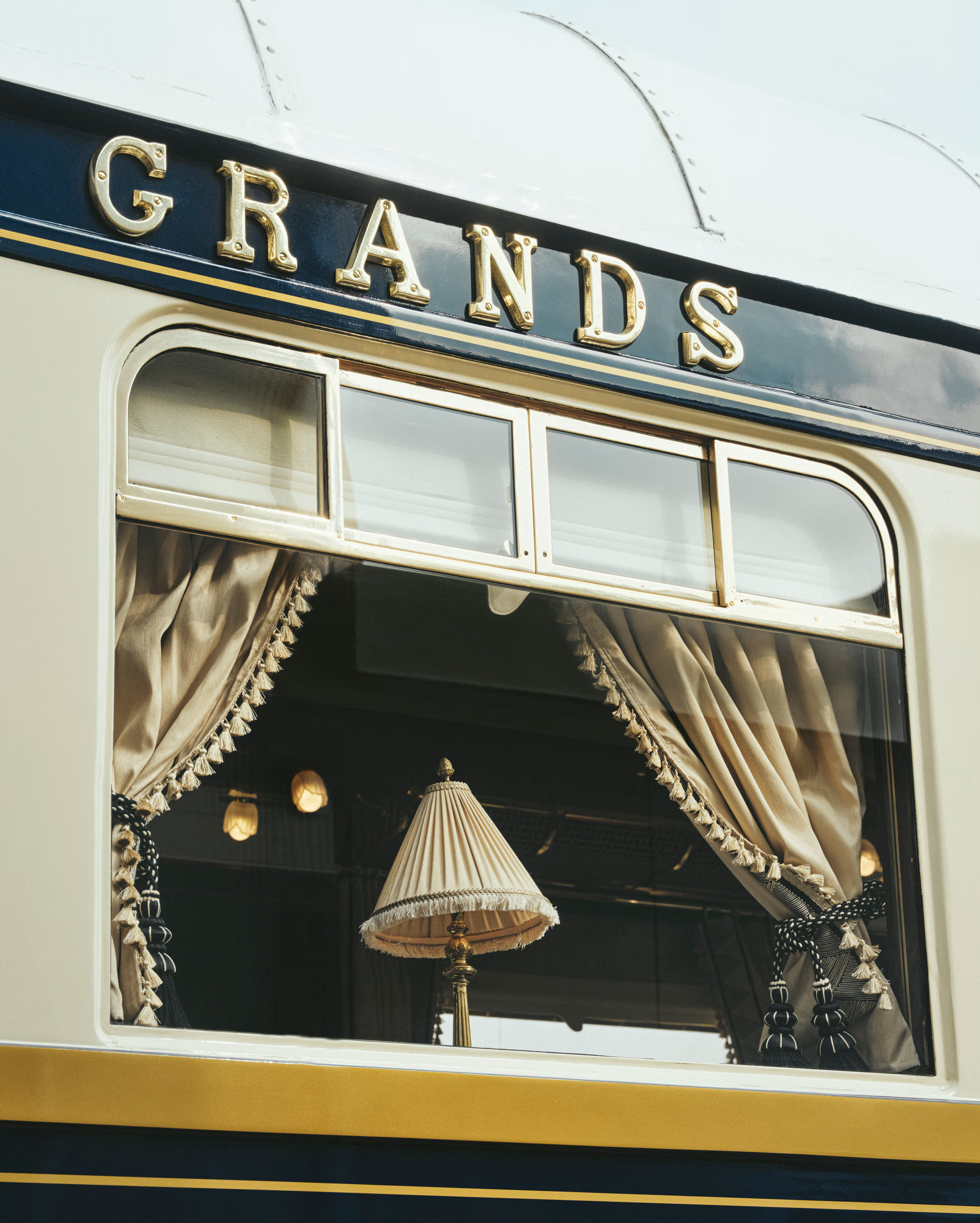
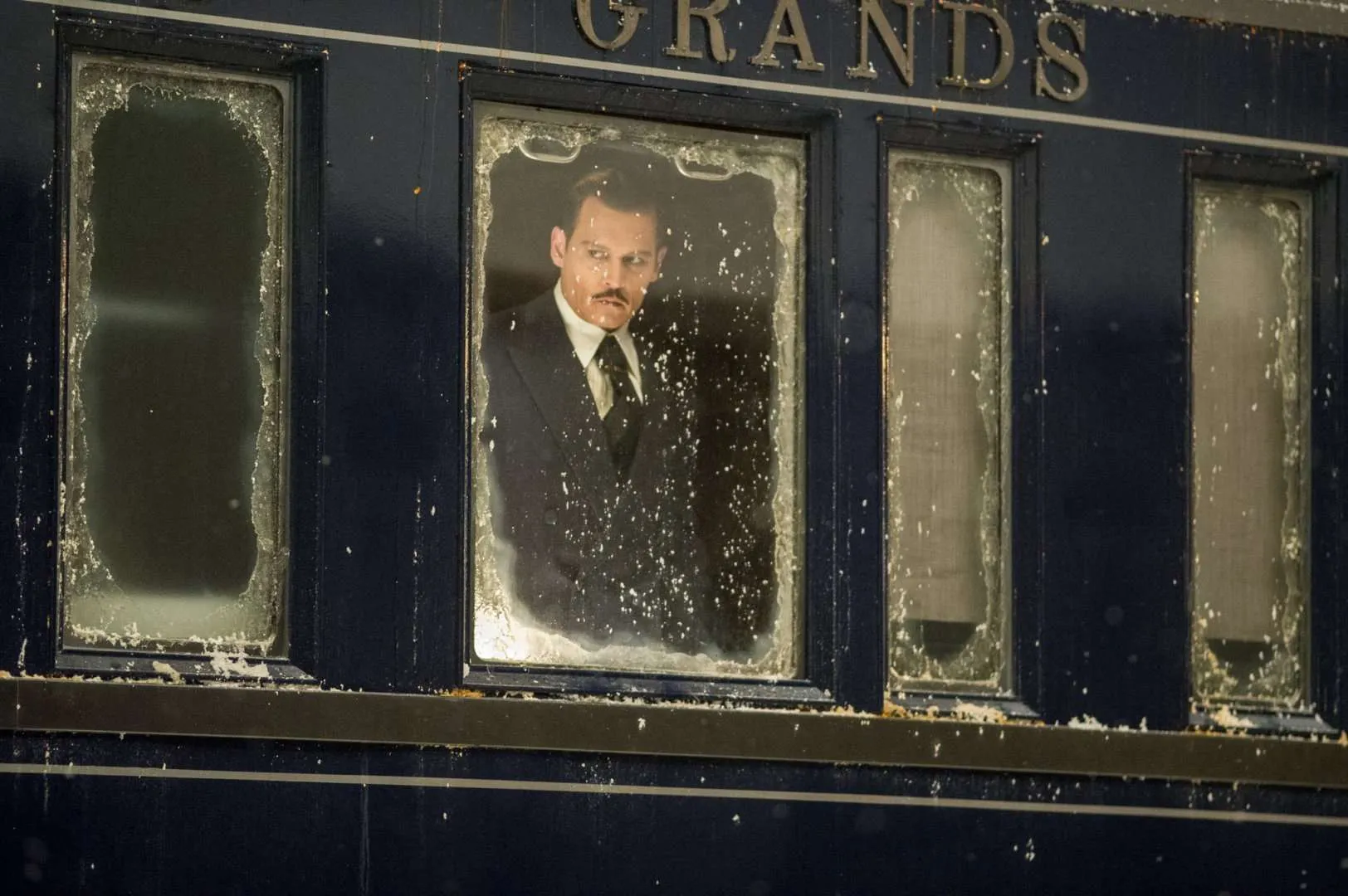
Among the train’s most distinctive spaces is the Grand Suite Istanbul, inspired by carriage 3309, one of the wagons most closely associated with the 1929 snowstorm. Carved wood, embossed leather and richly layered textiles draw subtly from the textures and atmosphere of Istanbul.
The 2026 Istanbul to Paris journey is offered only twice, which remains part of its appeal.

Same legend, different form
The Orient Express Corinthian, described as the world’s largest sailing yacht, departed from Saint-Nazaire on 2 May 2026 ahead of its first Mediterranean season. Its routes move across the Mediterranean, with stops including Marseille, Cassis, Saint-Tropez, Monte Carlo, Portofino, Capri, Venice and Dubrovnik.

Built in Saint-Nazaire, a shipbuilding city on France’s Atlantic coast, the 220 metre yacht was developed for Accor and designed by architect Maxime d’Angeac. Around 2,000 French artisans and ateliers contributed to the project, from decorative finishes to custom furniture and interior details.
The project balances Riviera nostalgia with contemporary design. Historical references are present throughout, yet the overall mood remains restrained, architectural and modern. Nothing feels overly themed or excessively polished.
Technically, Corinthian also moves differently from most large vessels. The yacht uses three rigid sails developed with advanced composite materials rather than traditional fabric sails, giving it a sharper, more sculptural silhouette at sea.
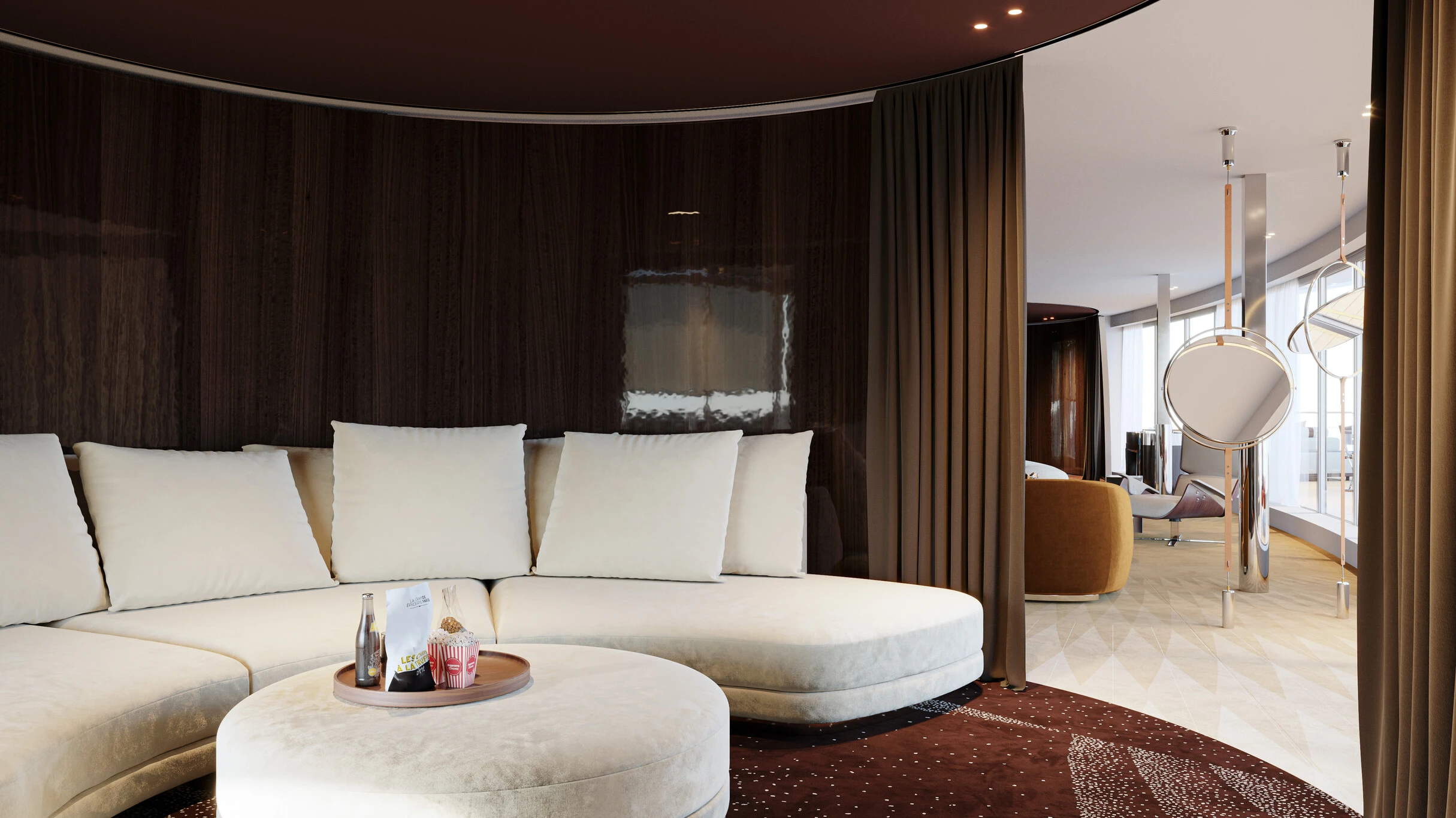
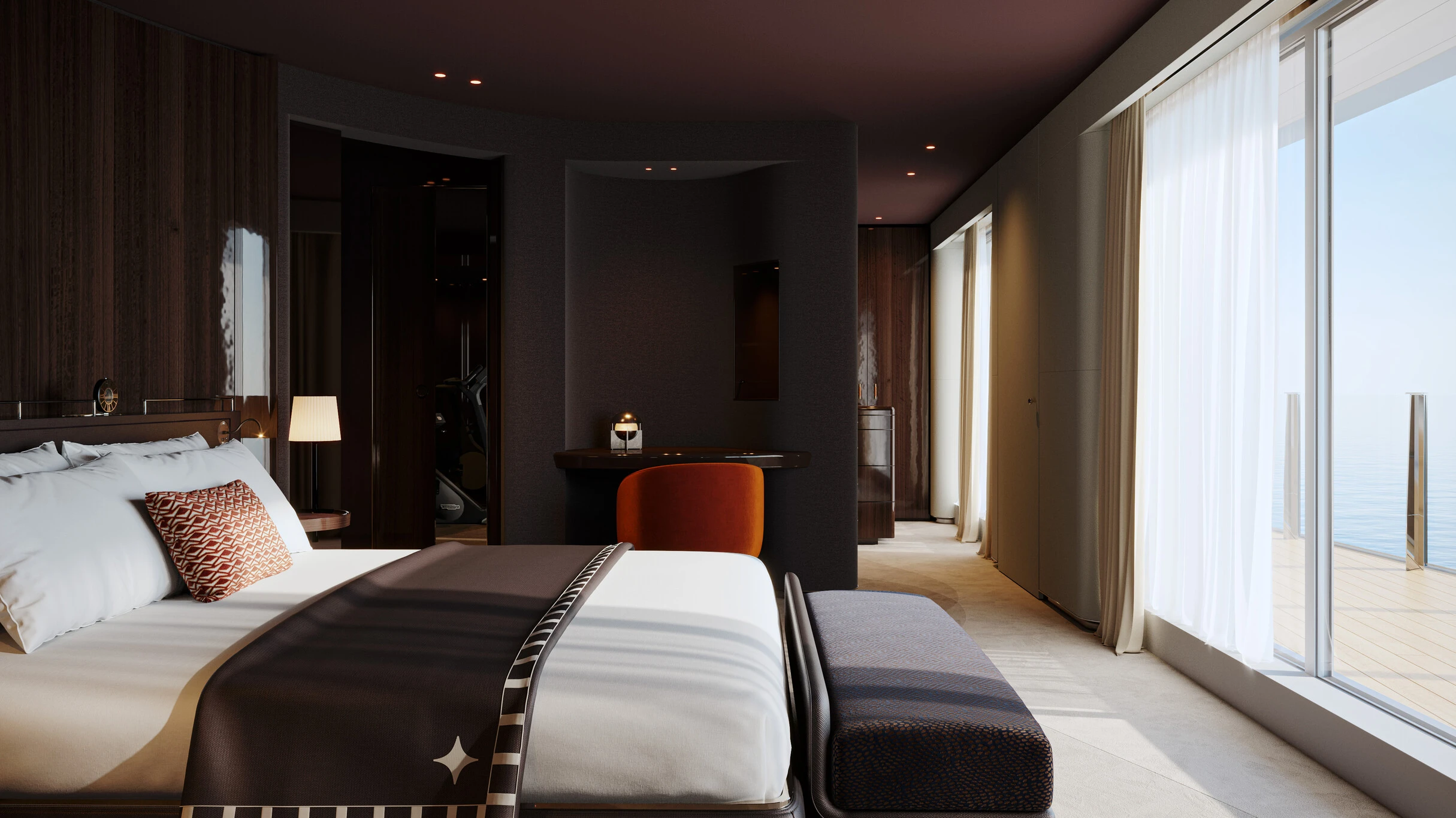
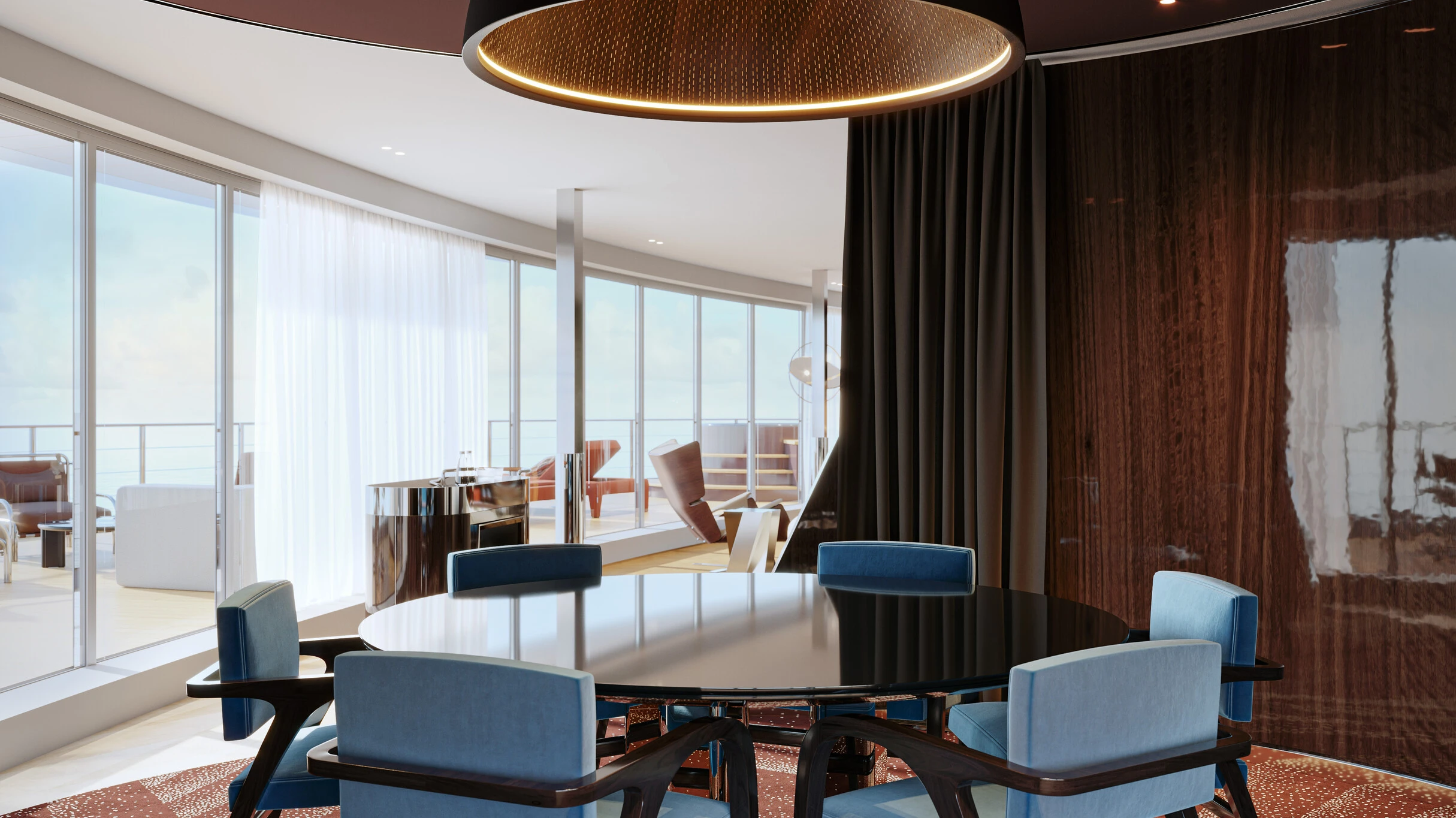
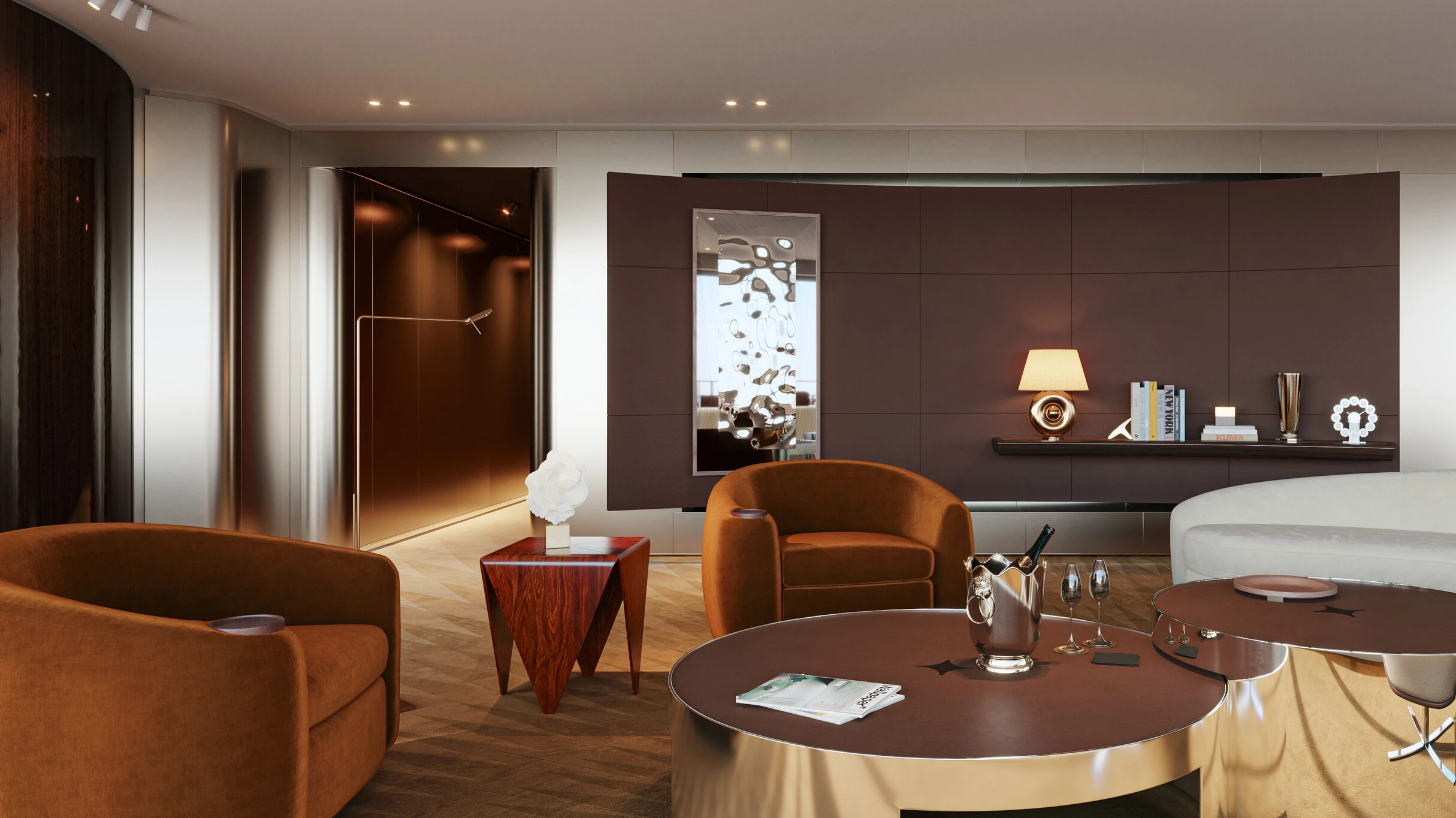
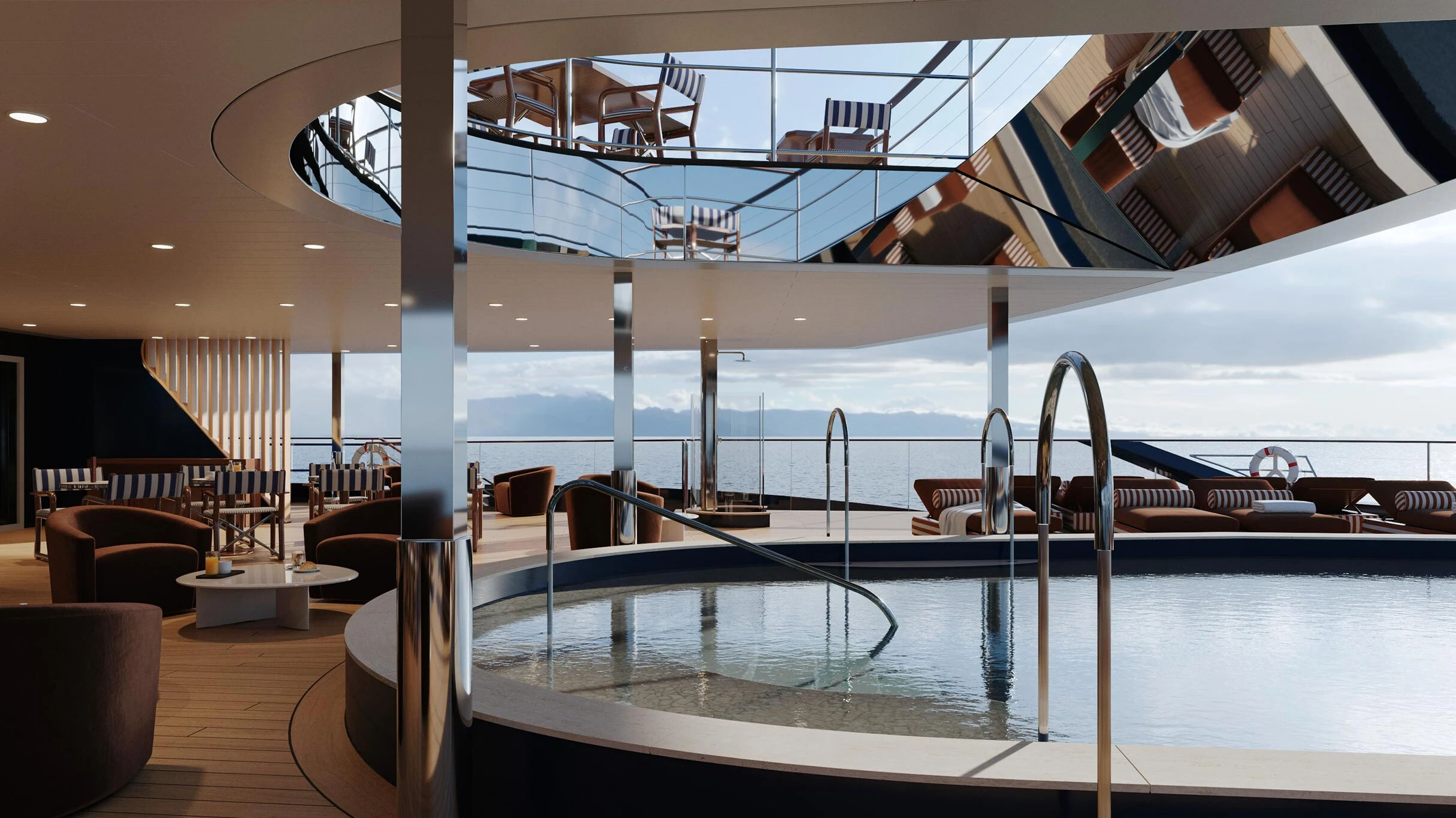
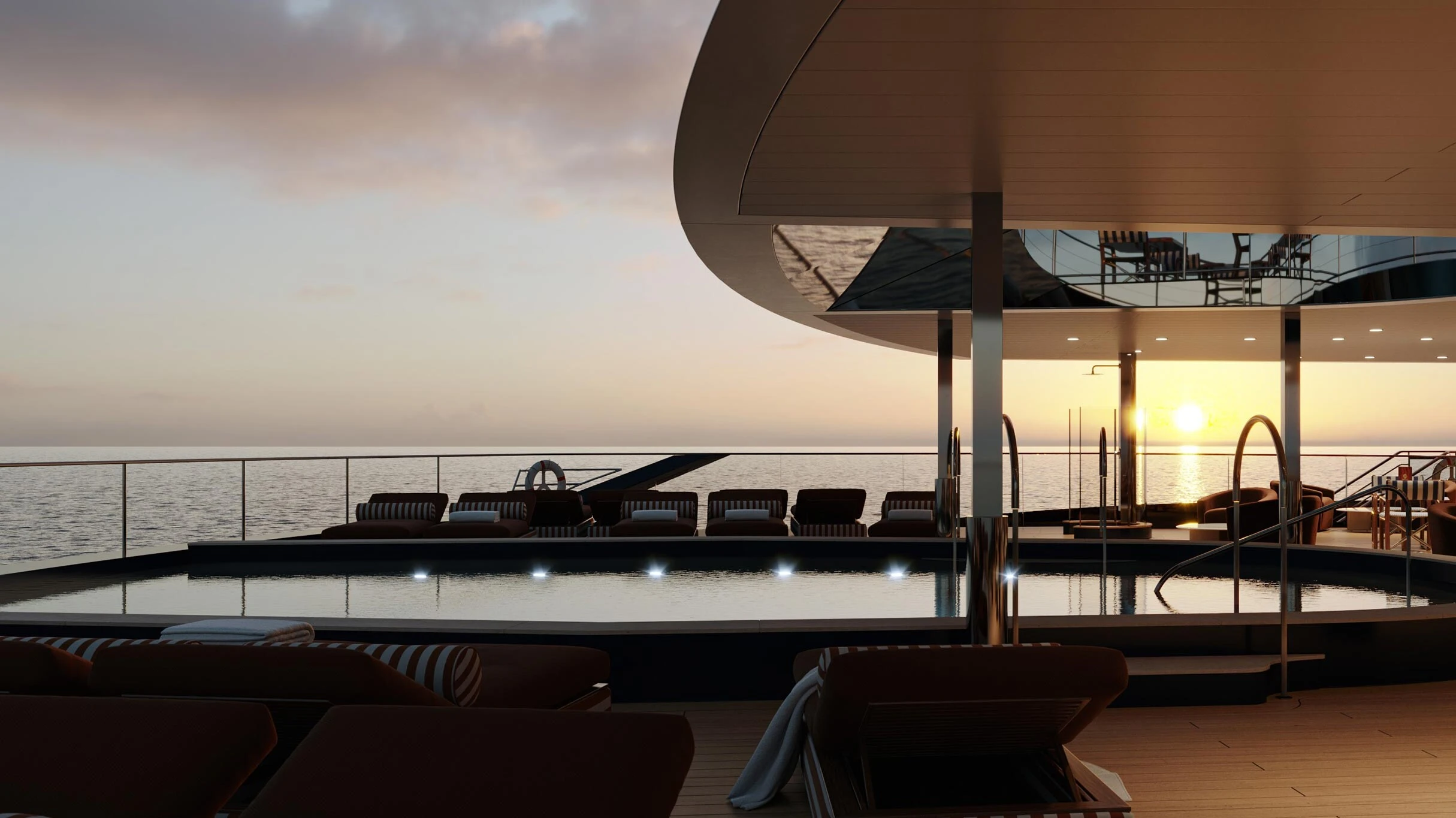
At the centre of the ship is the Agatha Christie Penthouse Suite, conceived more as a private residence at sea than a traditional yacht suite. Spanning 225 square metres indoors with an additional 180 square metre terrace, it includes two bedrooms, a marble bathroom, private dining and outdoor living areas facing the Mediterranean. Curated artworks, lacquered wood, soft textiles and sculptural details reference the literary and cinematic atmosphere that continues to surround the Orient Express name.
One journey moves across Europe by rail. The other follows the Mediterranean by sea. Different in rhythm and atmosphere, yet both hold onto the same slower, more cinematic idea of travel.