Object Lessons
- May 22
- 4 min read
Updated: Jun 27
A look at the things we touch, keep and return to. From glassware and chairs to towels, Object Lessons looks at how everyday objects organise the spaces we live in.
Some objects never ask to be noticed first. A glass on a table, a chair by a window, a towel after swimming, a tray carrying coffee. Their purpose may be ordinary, but their placement, wear and repetition reveal how people live, host and travel. Object Lessons follows these objects as part of everyday choreography rather than decoration.
The Glass: A Small Architecture of Light
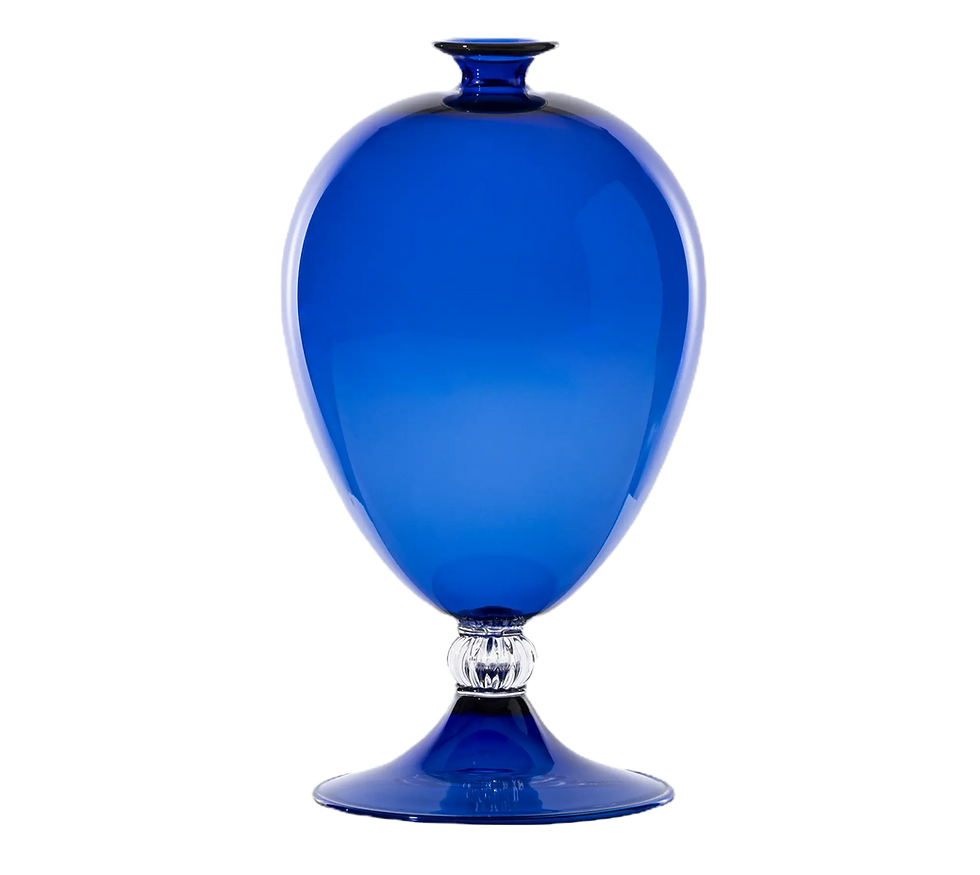
First blown in 1921, Vittorio Zecchin’s glass vase for Venini carries the memory of an older image. Inspired by Paolo Veronese’s The Annunciation of the Virgin, painted in 1580, its slender form feels almost suspended between painting, ritual and light.
Mouth-blown in Murano, the Veronese vase became a sign of Venini itself: refined, luminous and precise in its restraint.
The Chair: The Shape of Sitting

First introduced to the public in 1946 at the Museum of Modern Art, the Eames LCW was developed by Charles and Ray Eames after years of experimenting with molded plywood.
Its seat and back were shaped separately, allowing the wood to curve with the body rather than against it. Lightweight, precise and quietly radical, the LCW became an icon of American design: modest in material, intelligent in form. Time later called it “the chair of the century.”
The Notebook: A Private Room Made of Paper

Created by Frank Smythson in 1908, the Panama diary was designed for life in motion. Slim, lightweight and practical, it replaced the heavy desk diary with something intimate enough to travel in a pocket, earning the nickname “the Panama hat of books.”
Its pale blue Featherweight paper became part of its identity, as did the durable Panama leather cover, grained to keep its shape through use. More than a diary, it offered a new way of recording life as it happened. The British brand continues to offer the Panama in different versions today, with personalisation options that keep the object intimate.
The Suitcase: Holding Departure

A suitcase that holds the traces of movement on its surface: departures, arrivals, hotel rooms, airport floors...
With its aluminium body, clean lines and signature grooves, the Rimowa Original has become one of the most recognisable forms of modern travel. Made to travel often and age with use, it carries a quiet visual identity without needing a large logo.
Rimowa, the German luggage brand dating back to 1898, introduced its first aluminium suitcase in 1937. In 1950, the parallel grooves arrived, inspired by the age of aviation, turning the suitcase into something instantly recognisable.
The Lamp: How Light Becomes a Mood

When automotive engineer George Carwardine developed a new spring mechanism, he created the basis for a task lamp that could move with ease and remain steady in place.
Launched in 1935, the Anglepoise Original 1227 was designed around this balance of flexibility and stability.
With its articulated form, chrome-plated fittings and recognisable silhouette, it brought a new intelligence to the desk lamp. Functional, adaptable and quietly enduring, the Original 1227 shows how light can become part of the mood of a room.
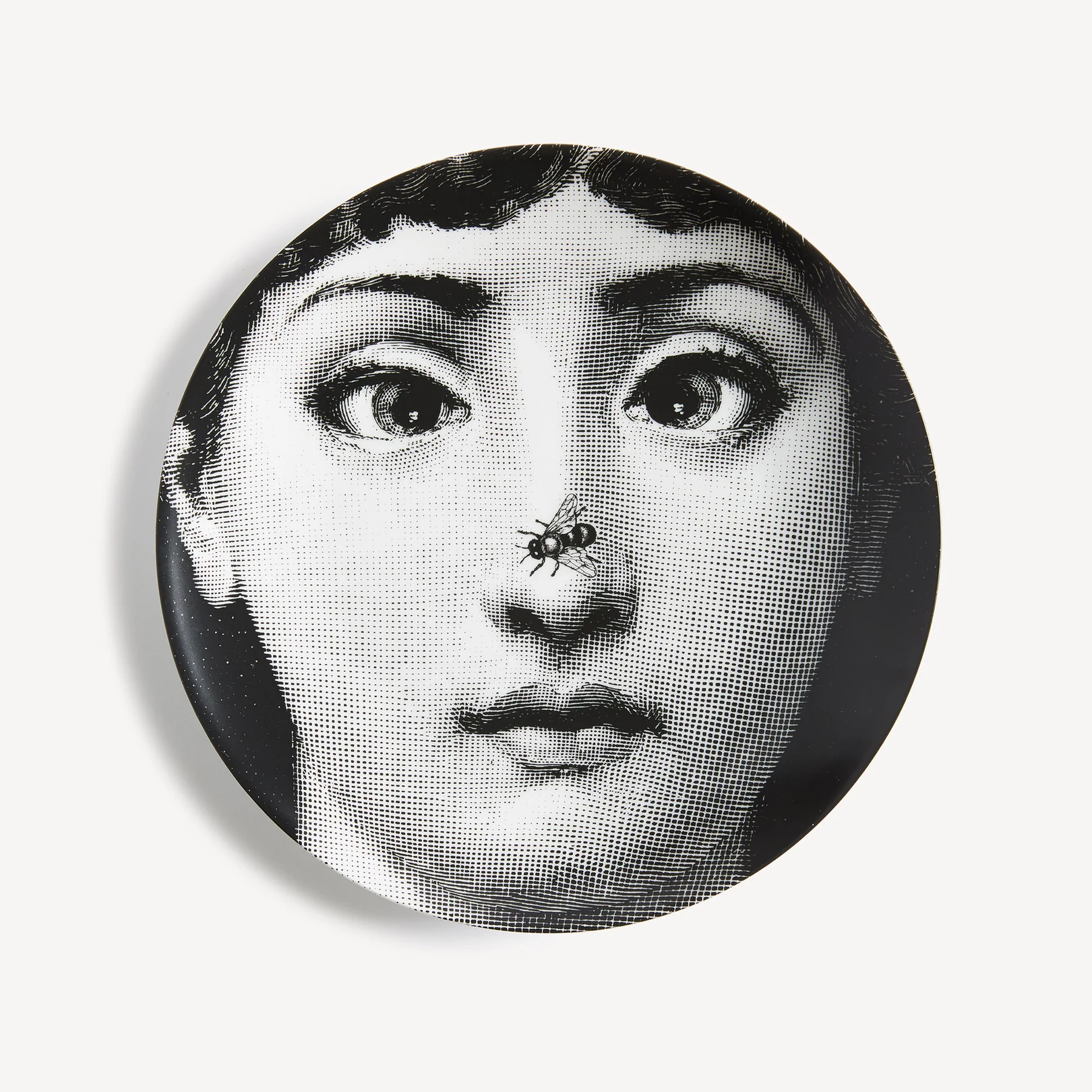
The Plate: A Circle of Place, Taste and Memory
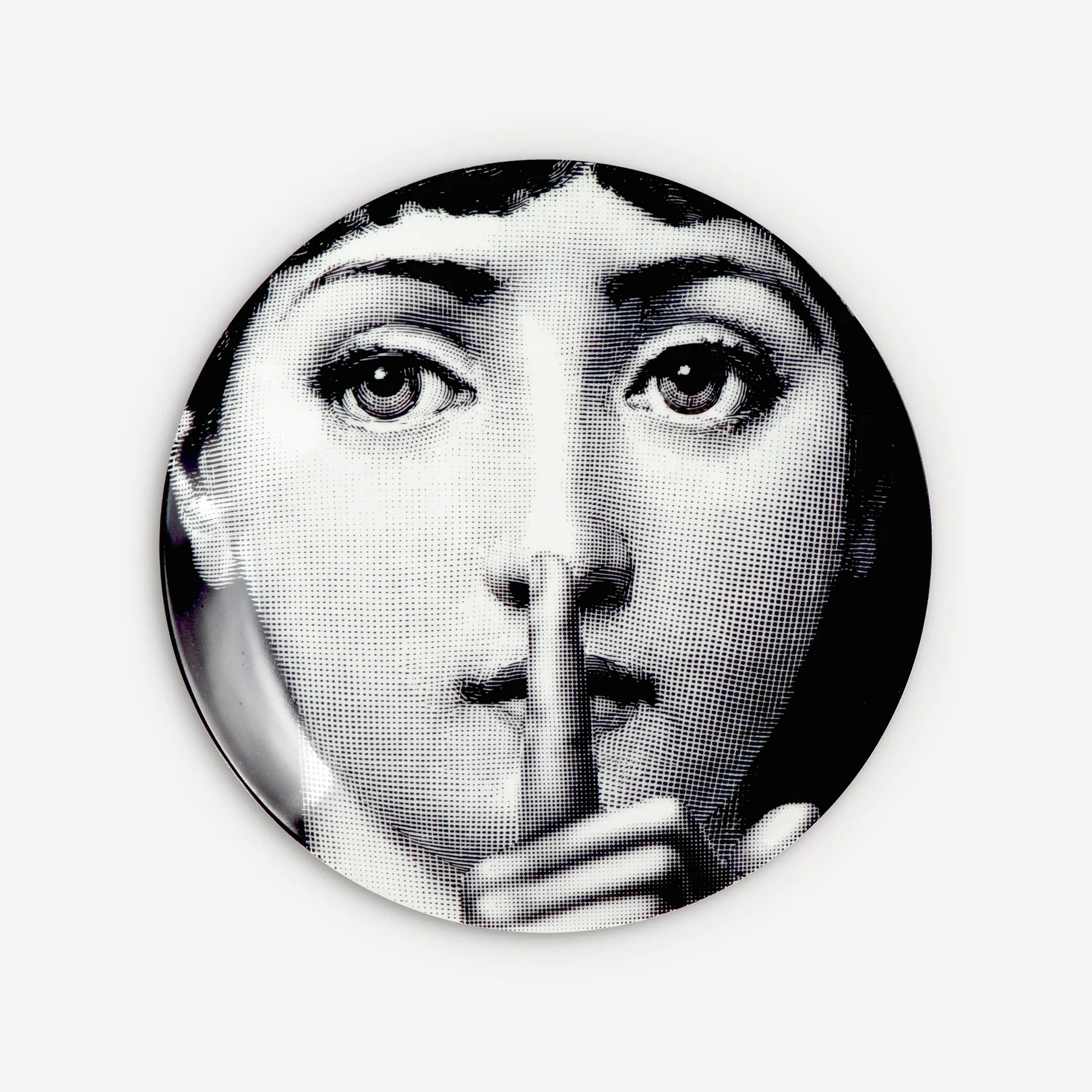
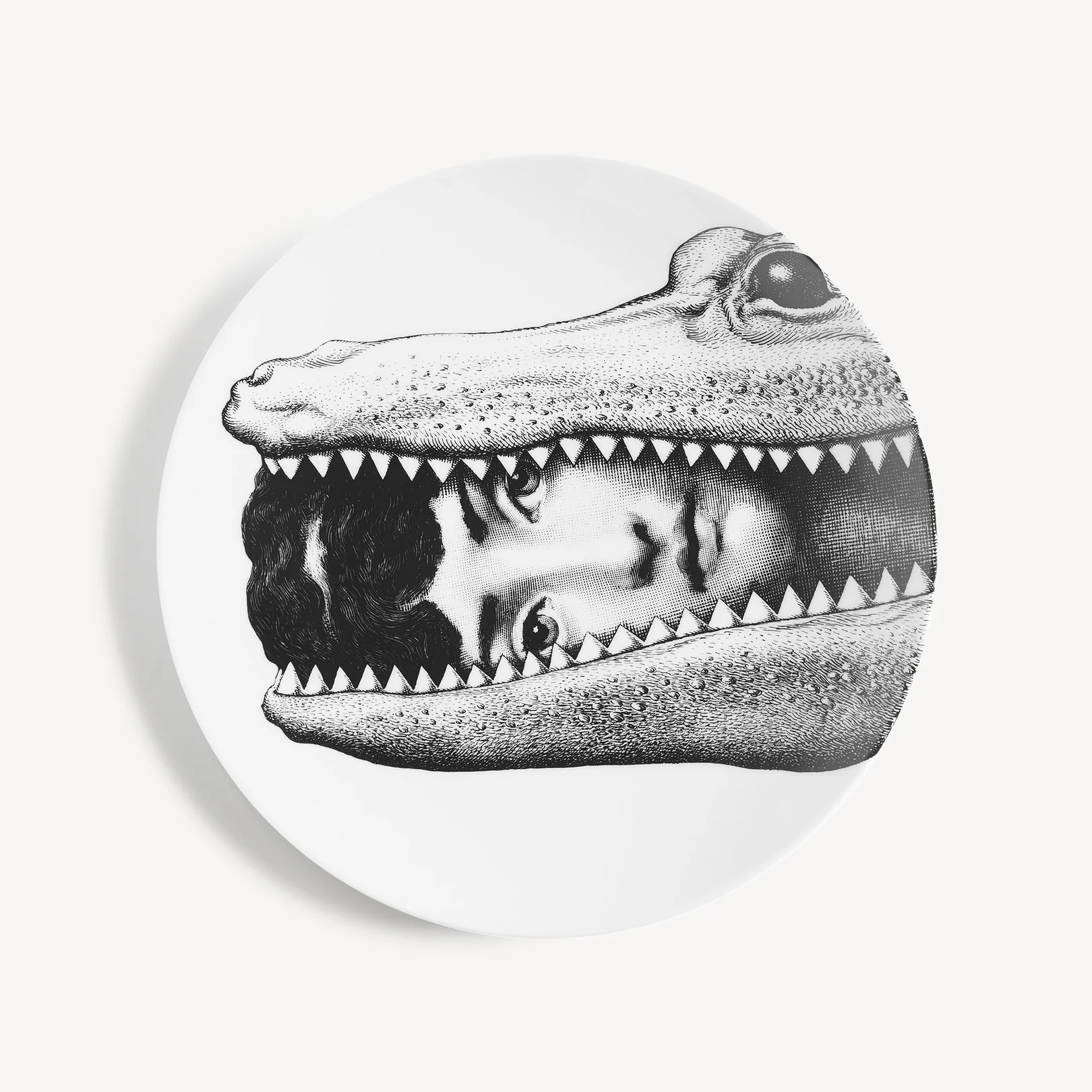
Found by Piero Fornasetti in the pages of a 19th-century magazine, Lina Cavalieri’s face became one of design’s most recognisable images. The Italian opera singer’s classical beauty and enigmatic gaze inspired Tema e Variazioni, a series of plates in which the same face returns again and again, altered through humour, fantasy and surprise.
The Tray: A Small Stage for Hospitality
Designed by Evelyne Bertrand, the Hermès Mises et Relances change tray recalls the house’s equestrian world through its perforated H motif, saddle-stitched edges and taurillon leather construction. Made in France from smooth taurillon leather and taurillon H leather, it holds keys, coins and the small things of daily life, but its meaning belongs to the entrance table. A place where the outside world is set down, where arrival becomes gesture, and where utility takes on the calm discipline of craft.

The Mirror: Between Image and Light

Originally designed in 1933 by Gio Ponti, the Italian architect and designer, for FontanaArte, the F.A. 33 Mirror brings architecture into the quiet intimacy of reflection.
With its softly curved brass frame, it holds light, softens geometry and creates a moment of pause between the body and its reflection.
Reissued in 2015 by Gubi, the Copenhagen-based design house, it remains less a decorative accent than a quiet way of shaping a room.
The Towel: The Ritual of Drying

Woven from long-fibre Turkish cotton, the peshtemal carries the memory of the hammam.
Light in weight yet highly absorbent, it dries quickly and becomes softer with use, shaped by a tradition of weaving passed through generations.
More than a towel, it belongs to many rituals of summer and daily life. It can be folded into a beach bag, wrapped around the body, laid on warm stone or draped quietly at home.
Durable, practical and intimate, the peshtemal is a modest object with a long memory: part textile, part gesture, part Mediterranean ease.